A leadership team sets the rhythm for everything that follows. Growth feels smoother when the people around the table know how to pull in the same direction, when they carry the weight with clarity, and when they can adapt faster than the market shifts. A team like that never happens by accident. It takes structure. It takes patience. It takes a deliberate approach that grows ahead of the company, not behind it.
Here’s a practical, experience-driven guide for building a leadership team that can grow without losing shape. Just the real mechanics that leaders inside fast-moving companies rely on every day.
Start With a Clear Center of Gravity
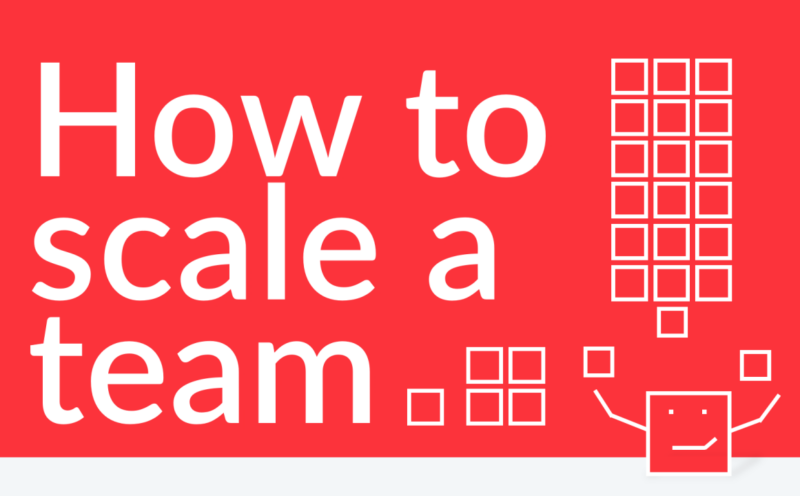
A scaling team needs a steady core, a point that holds the organization together when pressure rises. The center of gravity is not a catchy phrase. It is the combination of purpose, direction, and operating norms that senior leaders use to orient decisions.
Leaders often skip this step because it feels intangible. Then they end up with meetings full of sideways discussions and teams that make decisions in isolation. A clear center of gravity corrects that drift.
What the center of gravity covers
- A simple description of why the company exists.
- A set of priorities that do not shift every quarter.
- A shared sense of how decisions get made.
- A consistent way leaders communicate direction to their teams.
Leaders often look for a practical reference point when shaping their core direction, and you can Visit website for a clear example of how seasoned advisors outline that foundation.
A practical example
Imagine a company with a product-led strategy. If product excellence sits at the center, every senior role knows what anchors the work. Hiring choices tilt toward long-term craft. Roadmaps reflect quality gates.
Operations supports release reliability. Finance shapes budgets around product improvement. The center guides each functional lane without forcing them into the same mold.
Choose Leaders for the Stage, Not the Resume

Roles evolve faster than job descriptions. A head of operations for a 15-person team carries a different load than a head of operations for a 150-person team. When companies scale, gaps appear in unexpected places because the original team was built around experience, not trajectory.
The leaders who scale well share several traits that cut across industries.
Core traits of scalable leaders
| Trait | Practical Meaning |
| Range | Ability to shift between strategy and hands-on work without friction |
| Curiosity | Willingness to question old habits and adopt new patterns quickly |
| Stamina | Capacity to handle sustained decision-making pressure |
| Clarity | Ability to express priorities in a way teams can act on immediately |
| People fluency | Talent for reading motivation, building trust, and correcting behavior early |
Many founders lean on technical specialists during the early stretch. Specialists matter, yet a scalable leadership team needs people who can outgrow their own job. A leader who learns faster than the company grows is worth their weight in gold.
Define Roles Before You Hire, Promote, or Reassign
A team fails when roles drift into each other. Overlaps create tension. Gaps create confusion. The antidote is a clear operating map. Not a long document, just a straightforward layout of who owns what.
Three questions that shape each role
- What decisions land on this seat every week.
- What outcomes the company expects from that seat over the next 12 to 18 months.
- What authority and resources sit behind that seat.
Once you define the role, the candidate review becomes sharper. A good fit becomes obvious. A shaky fit becomes equally clear.
A short example
If you want a head of marketing to own revenue influence, then the role connects directly to sales forecasts, product launches, positioning, and segmentation. If the role only covers campaigns, channel experimentation, and brand tone, then revenue should not sit in their accountability lane. A scalable team removes ambiguity early.
Build a Decision System Leaders Can Follow Without Overthinking

Scalable teams rely on decision systems that remove friction. A decision system is a lightweight structure that spells out who decides, who inputs, and how fast decisions move.
Many companies grow without one. They rely on meetings, hunches, and Slack threads. That works until it does not.
A practical decision system
- D1 decisions: Long-term strategic choices made by the CEO and one or two senior peers.
- D2 decisions: Cross-functional calls made by the full leadership team.
- D3 decisions: Functional decisions made inside each department.
The purpose is not hierarchy. It is flow. When a leader knows a decision sits in D3, they move without waiting for a group consensus. When a leader sees a D2 decision, they loop the right peers early. When something rises to D1, the team knows to pause and present a clear set of options.
Why it matters
A steady decision system reduces rework. It saves time. It encourages ownership. It stops leaders from hiding behind committees. It also helps new leaders onboard faster, because the rules are visible instead of hidden in cultural habits.
Create a Shared Operating Rhythm
A team that scales carries a predictable cadence. Meetings have a purpose. Reviews follow a pattern. Information moves on a schedule. Rhythm calms the chaos that appears when growth accelerates.
A scattered rhythm always shows up inside the body of the company. Teams wait for direction. Schedules slip. Leaders feel blindsided by surprises. A simple rhythm eliminates all of that.
Core rhythm elements
- Weekly leadership meeting: Focused on current priorities and blockers.
- Monthly business review: A precise review of performance, forecasts, and course corrections.
- Quarterly strategic cycle: A reset on goals, hiring, capital allocation, and sequencing.
Signs the rhythm works
- Meetings end with clear owners and next steps.
- Teams can predict what information leaders will request.
- Confusion drops because direction spreads cleanly across the company.
- Surprises shrink because issues surface early.
You want a rhythm that feels like a metronome. Not rigid, just reliable.
Hire Leaders Before You Feel Fully Ready

Growth often moves faster than comfort. By the time a company feels ready to hire senior leaders, the load has already spilled over the edges. Waiting creates pressure on the team, which leads to rushed hiring.
A healthier approach is to hire ahead of the curve. Bring in leaders when the workload signals a need, not when the chaos screams for help.
Indicators that signal it is time
- One leader carries three jobs at once and cannot shed any of them.
- Cross-functional projects stall because no one has the bandwidth to coordinate them.
- Forecast accuracy dips due to strain on planning roles.
- Quality across teams becomes inconsistent.
Hiring early eases the transition. The incoming leader has room to learn the terrain. The team has time to adapt. Fire drills fade.
Coach Leaders With a Real Feedback Loop

A leadership team grows only when each person grows. Coaching is not about annual reviews. It is about weekly calibration, small corrections, habit building, and reinforcement. The fastest-scaling teams treat feedback as routine, not an event.
A simple feedback cycle
- Observation: Spot behaviors that help or hinder momentum.
- Reflection: Share what you saw and why it matters.
- Adjustment: Agree on one small shift for the leader to try.
- Review: Follow up after a week or two and track progress.
Leaders respond well to feedback when it feels actionable. Broad commentary never lands. People change faster when they receive specific examples tied to concrete moments.
An example of actionable feedback
Instead of saying someone needs to communicate more clearly, say they should present decisions with one recommendation, two alternatives, and a short explanation of the tradeoffs. A shift like that tightens the whole team.
Build a Team That Can Disagree Productively
Disagreement is a sign of strength. The problem is not debate. The problem is how that debate unfolds. Scalable leadership teams create an environment where sharp disagreement does not damage trust.
You reach that level through behavioral norms, not slogans.
Norms that make disagreement useful
- Everyone speaks for their function without territorial walls.
- Arguments stay tied to data, not personal preference.
- Decisions move forward even when not everyone gets their ideal outcome.
- Leaders support the final decision publicly once the discussion ends.
When a team reaches that state, you feel it. Meetings carry energy, not tension. People challenge assumptions without hesitation. Leaders spot blind spots early because no one fears conflict.
Keep the Team Small Enough to Move
Larger teams feel impressive, yet they move slowly. A scaling organization benefits from a leadership team that stays small enough to make decisions quickly and coordinate cleanly.
Seven to nine senior seats often form the sweet spot in growing companies. Big enough for functional coverage. Small enough for fast problem solving.
If you expand beyond that number, split the layers. Keep the executive core tight, then build a broader operational council under it. The structure keeps discussions focused and prevents meetings from turning into broadcast sessions.
Anchor Every Leader in a Clear Set of Metrics

A leadership team scales when people measure progress in the same way. Metrics matter because they align incentives, sharpen focus, and reduce emotional decision-making.
Each seat should own a limited set of metrics tied directly to outcomes, not effort.
Example metrics by function
| Function | Core Metrics |
| Product | Feature adoption, retention lift, release predictability |
| Sales | Pipeline health, win rate, quarterly revenue attainment |
| Marketing | Lead quality, CAC efficiency, influence on revenue |
| Operations | Cycle time, error rate, throughput reliability |
| Finance | Cash runway, forecast accuracy, margin stability |
| People | Hiring velocity, retention, manager effectiveness |
You do not need a wall of dashboards. You need a handful of indicators that show whether leaders are steering their lanes well.
Build Successors Early
A team that scales needs depth. Successors offer stability, continuity, and resilience. When a leader steps away, the company keeps moving without disruption.
Successor planning works best when leaders teach their core responsibilities to someone two levels down. Not as a secret project. As a normal part of running a healthy team.
It creates more confident managers. It creates better hiring. It also gives senior leaders time to stretch without losing coverage in their lane.
Keep Communication Crisp and Predictable
A scaling team communicates with precision. Long messages muddy the water. Vague updates delay execution. Crisp communication does not mean abrupt. It means clear.
A simple communication pattern
- What happened.
- What it means.
- What decision you need.
- What comes next.
Patterns like that keep teams aligned even as headcount grows. They reduce backtracking. They save hours of follow-up questions.
Final Thoughts

A leadership team that scales does not need theatrics or elaborate frameworks. It needs clarity, rhythm, hiring discipline, and a shared commitment to grow faster than the company itself.
Leaders who build with intention create teams that move cleanly through each stage of growth. They handle pressure without losing their shape. They lift the company rather than drag it behind them.
A team like that becomes an engine. Once it gains momentum, everything attached to it gains momentum too.